
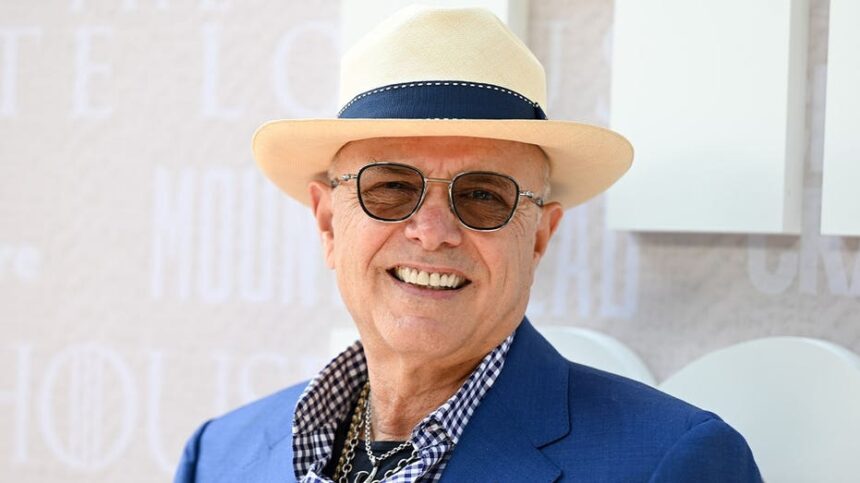
Joe Pantoliano has three secret weapons when it comes to protecting his mental and .
The Emmy award-winning actor, who starred as Ralph “Ralphie” Cifaretto in 21 episodes of the HBO drama “The Sopranos,” told Page Six his tried and true recipe for optimal health while chatting at the 30-year “Bound” anniversary during the Tribeca Film Festival.
“You need three things â masturbation, medication and meditation,” Pantoliano confessed.
Pantoliano further indulged and said while he doesn’t meditate, he does take a “wonderful supplement,” and “my wife [Nancy Sheppard] takes care of [the masturbation].”
The couple married in 1994 and share four children together.
HAYDEN PANETTIERE SAYS FILMING ‘NASHVILLE’ WAS LIKE LIVING THROUGH ADDICTION TWICE
In lieu of medication, Pantoliano followed doctor’s orders by stepping outside for a casual walk every day.
“When I went to McLean Hospital, the brain hospital, they told me that a brisk 15-minute walk is equivalent to like 90 milligrams of Prozac, so I walk every day,” he told the outlet.
The “Bad Boys” star also discussed his , and noted that “success” was once a vice before explaining “then sex and then alcohol.”
“Finding things that make this feeling go away,” he said. “I thought if I could become successful, then this feeling that was in the pit of my soul would go away.”
Pantoliano said that he instead “crashed and burned, didnt die, and I guess discovered my shortcomings; they werent terrible defects, they were, you know, just .”
The “Matrix” actor has been candid about his struggles with depression and addiction over the years.
“You find something that fills the void â masturbation, meditation â it doesnt matter. You have a drink and you go, Ah, this is the feeling Ive been looking for. Youre trying to fill it,” he told Page Six in 2020.
His own challenges with depression inspired Pantoliano to establish the awareness charity No Kidding, Me Too!
At the time, Pantoliano admitted he admired for being a vocal advocate on a difficult subject.
“If you think about William and Harry and what they went through,” he noted, “the trauma of what happened to them, in a culture thats saying ‘stiff upper lip’ â it doesnt work that way.”