The is hearing from a billionaire on Wednesday who was named one of Jeffrey Epstein’s co-conspirators by a 2019 FBI document.
Les Wexner is the latest person to be deposed in the House’s investigation into the federal government’s handling of Epstein’s case.Â
He told House investigators that he was “conned” by the late pedophile and that he had no knowledge of or participation in his crimes, according to an opening statement obtained by Fox News Digital.
“Let me state from the start: I was naïve, foolish, and gullible to put any trust in Jeffrey Epstein. He was a con man. And while I was conned, I have done nothing wrong and have nothing to hide. I completely and irrevocably cut ties with Epstein nearly twenty years ago when I learned that he was an abuser, a crook, and a liar,” Wexner’s statement read.
“I was never a participant nor coconspirator in any of Epsteins illegal activities. To my enormous embarrassment and regret, I, like many others, was duped by a world-class con man. I cannot undo that part of my personal history even as I regret ever having met him.”
He also said his “heart goes out” to the young women and girls who fell victim to Epstein over the years.
The billionaire fashion mogul painted himself as a husband, father, and grandfather who sought to live “in an ethical manner in line with my moral compass, devoting time and energy to my faith, my community, my business, my L Brands associates, and my family and friends.”
Unlike most previous depositions, committee staff and lawmakers traveled to Ohio on Wednesday morning to depose Wexner in his home state.
A spokesperson for Wexner declined to comment on whether he would invoke his Fifth Amendment right to avoid answering questions. But his insight is likely to be key to unlocking information on just how Epstein obtained his vast wealth before dying by suicide in a Manhattan jail in 2019.
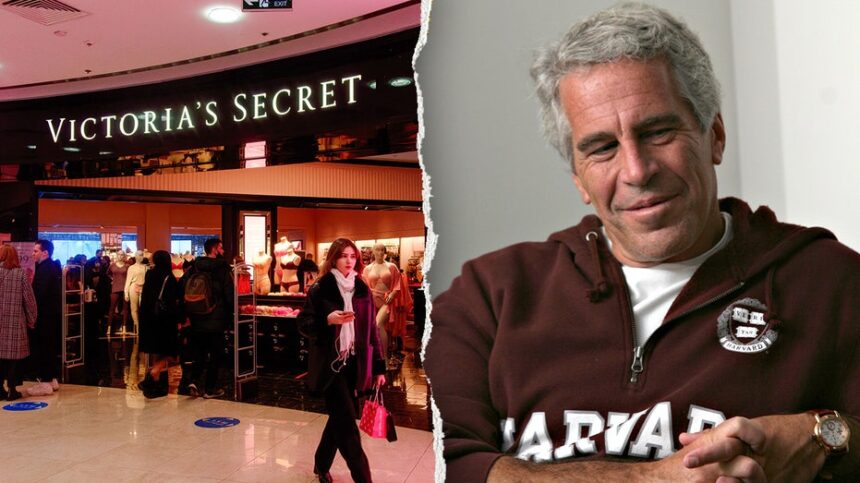
The 88-year-old businessman is the founder of L Brands, formerly called The Limited, through which he acquired well-known companies Victoria’s Secret, Bath & Body Works, Express, and Abercrombie & Fitch, among others.
He was also one of Epstein’s first major clients as a financial advisor, with Epstein being granted power of attorney over Wexner’s vast wealth.
Wexner also sold his Manhattan townhouse to Epstein, which was later discovered to be one of the locations where federal authorities accused Epstein of abusing young women and girls under 18.
He told House investigators that he was introduced to Epstein in the 1980s by a fellow executive, and that two subsequent people at his former employer Bear Stearns “endorsed Epstein without hesitation” as a financial advisor.
Wexner said Epstein was also “highly recommended” by Elie de Rothschild for work Epstein did for his family.
“At first, Epstein was unwilling to take me on as a client. In fact, for the first few years I was acquainted with him, Epstein offered me advice here and there while explaining that giving individual financial advice was not his focus and refusing to accept compensation. He said he was assisting me as a favor. Little did I realize that, from the very start, Epstein was conniving to gain my trust,” Wexner said.
Wexner also claimed he began paying Epstein for his work as his wealth grew and signed over power of attorney to him while his own work was largely occupied by running his businesses. But he maintained he knew nothing of what he called Epstein’s “double life.”
“He was clever, diabolical, and a master manipulator. He was meticulous in revealing to me only glimpses into the life in which he was a sophisticated financial guru who consulted with heads of state, high-ranking politicians, royalty, university presidents, professors, CEOs, musicians, and other luminaries,” Wexner said.
“While I did not socialize in Epsteins social circle, he often told me about his famous acquaintances and important positio