
Secretary of War warned that some traditional U.S. allies are “hemming and hawing about the use of force” as Washington presses forward with its campaign against Iran, raising fresh questions about NATO cohesion at a moment of escalation.
Spain has refused U.S. permission to use certain bases for strikes on Iran, calling for de-escalation and adherence to international law. Turkey has criticized the operation and warned of broader regional destabilization, while President Recep Tayyip ErdoÄan said he was “saddened” by Ayatollah Ali Khameneis death and denied that Turkish territory was used in the campaign.Â
In a statement released on Saturday, French President Emmanuel Macron said that, “The outbreak of war between the United States, Israel and Iran carries grave consequences for international peace and security.” He added, “The ongoing escalation is dangerous for all. It must stop.”
During Monday’s media briefing, Hegseth drew a sharp contrast between Israel and what he described as hesitant allies. “Israel has clear missions as well, for which we are grateful. Capable partners, as we’ve said since the beginning. Capable partners are good partners, unlike so many of our traditional allies, who wring their hands and clutch their pearls, hemming and hawing about the use of force.”
The criticism reflects growing frustration inside the administration that while some European capitals have issued statements of support, operational backing has not matched the rhetoric.
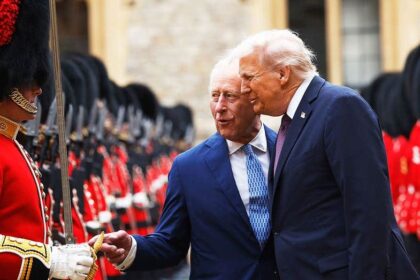
President also voiced dissatisfaction with allied hesitation. In an interview with The Daily Telegraph, Trump said he was “very disappointed” in British Prime Minister Keir Starmer for initially blocking U.S. use of British bases and that Starmer took “far too much time” to reverse course.
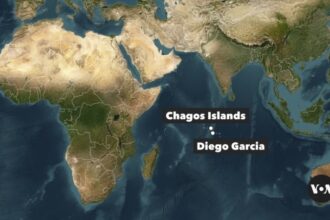
The United Kingdom later , including Diego Garcia, after raising initial legal objections and following a drone strike on RAF Akrotiri in Cyprus.
Justin Fulcher, former senior adviser to Hegseth, told Fox News Digital the moment represents “an absolutely critical inflection point where in a unified way in support of what the United States is doing.”
He framed the issue as larger than the current campaign. “Symbolically, the U.S.-NATO alliance is critical when looking at actually restoring deterrence globally,” Fulcher said, arguing that visible unity would send a message not only to Tehran but to other geopolitical rivals watching how the alliance responds under pressure.
has sought to downplay suggestions of division.
“I spoke with all the key European leaders over the weekend,” Rutte said on Fox News. “There is widespread support for what the president is doing.”
He added, “Europe is stepping up, is doing what is necessary to make sure this operation can go ahead and deliver all the enablement necessary.”
Germany has struck a more cautious tone. Chancellor Friedrich Merz warned in Sunday that strikes risk an Iraq- or Afghanistan-style quagmire and that Europe would bear the consequences.
At the same time, he said Berlin would not “lecture” the U.S. “We recognize the dilemma,” he said, explaining that repeated attempts over past decades had not put Iran off trying to acquire nuclear weapons or oppressing its own people. “So we’re not going to be lecturing our partners on their military strikes against Iran.”
“Despite all the doubts, we share many of their aims,” he said.
Fulcher contrasted the current hesitation with the strong reactions from some NATO capitals during past alliance disputes, including tensions surrounding Greenland.
“When you look at Greenland, that was obviously a very touchy subject for some countries in the Alliance,” Fulcher said. “Iran for decades has been a all across the globe â attacks that have happened in Europe, in many NATO and European countries,” he said. “For me, it is quite shocking that were seeing a difficult time for many NATO members to fully